
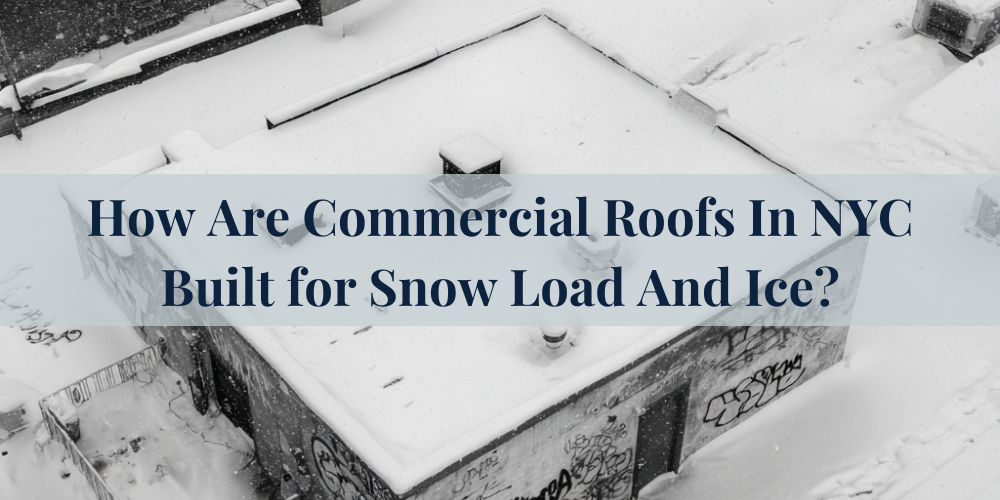
Commercial roofs across New York City are not built to generic standards — they are engineered to survive the weight of heavy snow, the stress of ice formation, and the destructive force of repeated freeze-thaw cycles. In New York, those winter conditions define how every commercial roof must perform, and they also define the work of Commercial Roofing New York, the company responsible for designing, repairing, and maintaining those systems.
Every roof Commercial Roofing New York installs or services is built with one primary goal: to carry snow loads safely, prevent ice-related water intrusion, and remain structurally stable through prolonged winter exposure. The materials, drainage layouts, insulation strategies, and attachment methods used on NYC commercial roofs are all selected specifically to handle these snow and ice pressures, rather than the milder conditions found in other regions. This article explains how Commercial Roofing New York engineers commercial roofing systems around New York’s winter climate. It details how snow load, ice buildup, and freeze-thaw movement are accounted for in roof design. And why those climate-driven choices are essential for protecting commercial buildings throughout the city.
How Does Commercial Roofing in New York Perform Under Heavy Snow and Ice?
Commercial roofing in New York is built to perform well in heavy snow and ice due to design aspects that combat the region's freeze-thaw cycles. The right construction materials, design features, and maintenance practices help mitigate potential roofing issues caused by abrupt temperature changes, hefty snow loads, and substantial ice dams.
The effectiveness of a commercial roofing system is largely dependent on specific elements that tackle these weather conditions. These elements are:
- Seam Integrity
- Snow Load Capacity
- Ice Dam Management
- Thermal Cycling Tolerance
- Drainage System Efficacy
1. Seam Integrity
Seam integrity refers to the strength and durability of the connections between sections of roofing material.
As New York is renowned for its heavy snowfall and icy conditions, maintaining seam integrity on commercial roofs is crucial to prevent water intrusion. The constant freeze-thaw cycles experienced in this region can widen minor flaws in the seams, making them vulnerable entryways for melting snow and ice seepage.
Facilities such as TPO or EPDM single-ply membrane systems exhibit strong seam integrity. These systems use heat welding or adhesives that create monolithic, leak-resistant shields. Regular inspections and maintenance can also help ensure the seams remain secure and can withstand harsh freeze-thaw cycles without tearing or dislodging.
2. Snow Load Capacity
Snow Load Capacity is the maximum weight of accumulated snow a roof can safely bear.
New York’s heavy snowfalls require commercial roofs to have a high snow load capacity. Overestimating the roof's snow load capacity can lead to dangerous sagging or collapse under the weight of accumulated snow.
The International Building Code (IBC) provides snow load requirements considering the area’s ground snow load, exposure, and roof slope. Increasing the building’s overall roof slope and its structural integrity can significantly enhance the snow load capacity. Using robust components, such as reinforced fasteners, can also help manage the increased load.
3. Ice Dam Management
Ice Dam Management involves strategies to prevent the formation of ice dams – large, solid blocks of ice along the roof's edges.
Ice dams are quite common with New York's winters and can lead to significant damage to commercial roofing systems as they induce water pools behind the dams. This water can infiltrate through the roofing materials and seep into the building's interior.
A well-planned heating system, such as heat tape or heated cables along the edges, can effectively manage ice dams. Also, proper insulation and ventilation of the roof substrate reduces the stark temperature differentials leading to ice dam formation. Routine removal of snow also hinders the formation and growth of these troublesome ice structures.
4. Thermal Cycling Tolerance
Thermal Cycling Tolerance is the roofing material's resistance to changes caused by temperature fluctuations.
New York's recognizable harsh winters and warm summers expose commercial roofs to significant thermal cycling. Large temperature swings can cause roofing materials to contract and expand, potentially straining the roofing system and compromising its lifespan and effectiveness.
Elastomeric coatings and flexible roofing membranes like EPDM can withstand large temperature swings without degradation, thereby enhancing thermal cycling tolerance. Proper flashing installation can also mitigate potential damages caused by shifting under diverse temperatures, ensuring the roof system remains intact and functional despite intensive thermal cycling.
5. Drainage System Efficacy
Drainage System Efficacy refers to the system's ability to efficiently remove excess water off the roof.
In New York, where heavy snowfall is frequent, an effective drainage system is critical in commercial roofing. A poorly designed or maintained system can lead to accumulation and stagnation of thawed snow, leading to potential membrane degradation or leaks.
An optimally designed roof drainage system, often comprising of internal or external drains and gutter systems, can deal with significant volumes of water runoff resulting from melting snow and ice. Regular maintenance, such as clearing debris from the drains and adjusting the sump pumps, can enhance the system’s effectiveness in handling large volumes of water, reducing chances of water damage.
Have a question about an upcoming project?
What Impact Does New York's Freeze-Thaw Climate Have on Commercial Roof Lifespan and Maintenance?
New York's freeze-thaw climate significantly accelerates the aging and deterioration of commercial roofing systems. This region experiences frequent cycles of freezing and thawing, which are extremely challenging for roofs due to the mechanical stress and damage they inflict. Consequently, these climate conditions can drastically reduce roof lifespan, necessitating more frequent and thorough maintenance.
Five key factors relating to freeze-thaw cycles are vital in understanding the impact on commercial roofing in New York. These factors directly contribute to the reduced lifespan and increased maintenance requirements of roofs in this area.
- 1. Membrane Deterioration
- 2. Fastener performance
- 3. Seam Integrity
- 4. Flashing Functionality
- 5. Insulation Degradation
1. Membrane Deterioration
Membrane deterioration refers to the progressive weakening and eventual failure of the roofing membrane.
Freeze-thaw cycles in New York put considerable stress on commercial roofing membranes. The constant contraction and expansion due to temperature changes can negatively impact their performance and longevity.
When water enters minor imperfections in the roofing membrane and then freezes, it expands and can cause further damage to the material. This process, known as frost heave, can lead to cracks and splits, which allow more water intrusion and exacerbate the problem. Regular inspections and timely maintenance can help detect early signs of membrane deterioration and reduce substantial repair costs.
2. Fastener Performance
Fastener performance directly influences the roof's ability to withstand weather conditions, including freeze-thaw cycles.
In New York's climate, the regular expansion and contraction of materials due to temperature changes can cause fasteners to loosen and reduce their performance. This can lead to higher vulnerability towards wind uplift and premature failure.
As the thermally-induced roof movement continues, it can cause the fasteners to lose their grip, increasing the likelihood of roof sections, such as the membrane or insulation, to detach. Regular maintenance checks to tighten fasteners can help mitigate this issue and prolong the roof's lifespan.
3. Seam Integrity
Seam integrity is critical for preventing water intrusion and maintaining overall roof structure.
The freeze-thaw cycles in New York put significant stress on the seams of commercial roofing, leading to potential seam failure, water entry, and ultimately, roof damage.
Thermal cycling can cause the roofing materials to expand and contract, which may lead to seam separation. Furthermore, frozen precipitation can fill seam gaps and upon thawing, exacerbate seam splitting. Consequently, regular roof inspections are crucial for detecting early signs of seam failure and preventing major damages.
4. Flashing Functionality
Flashing functionality refers to the ability of the flashing to provide additional protection at roof intersections and protrusions.
The freeze-thaw climates in New York can compromise the functionality of flashing, leading to potential leak points and subsequent structural damage.
Freezing temperatures can cause flashing materials to contract, while thawing causes them to expand. This cyclical temperature change can lead to loosening or cracking of the flashing, providing an entry point for water. Regular checks and repair of damaged flashing components are key to maintaining their functionality.
5. Insulation Degradation
Insulation degradation involves the loss of insulation's thermal performance and structural integrity.
The performance and longevity of roof insulation in New York are severely tested by the region's freeze-thaw cycles, reducing effectiveness and potentially leading to system failure.
Cyclical freezing and thawing can result in moisture accumulation within the insulation. Over time, this dampness dilutes the insulator's thermal effectiveness and compromises its structural integrity, creating sags and gaps in the roof system. Regular inspection can detect early signs of moisture accumulation, enabling appropriate measures to protect insulation performance.
How Do You Choose and Maintain Commercial Roofing in New York for Optimal Snow and Ice Resistance?
Choosing and maintaining commercial roofing in New York for optimal snow and ice resistance involves careful selection of roofing materials and regular preventive maintenance. Ensuring that your roofing is capable of dealing with the city's severe winter conditions is crucial to the roof's longevity and the building's overall structural integrity.
The key factors that determine how you should choose and maintain your commercial roof are related to the unique climatic conditions in the New York area. Here are the primary factors to consider:
- 1. Membrane material and thickness
- 2. Seam integrity
- 3. Insulation and drainage
- 4. Snow load capacity
- 5. Regular preventive maintenance
1. Membrane material and thickness
This factor refers to the type of membrane material used and its thickness. Different materials will have different capabilities with respect to withstanding snow and ice formation.
In New York's harsh winters, a thicker, rubber-based roof membrane like Ethylene Propylene Diene Monomer (EPDM) can provide better resistance against the weight and chill of snow and ice. Its elasticity and durability make it an exceptional choice for commercial roofs.
The density and flexibility of EPDM allow it to expand and contract with temperature fluctuations, reducing the risk of cracking under freeze-thaw cycles. For instance, in the Hudson Yards development in Manhattan, EPDM roofs with increased thickness were used to balance durability with insulation performance.
2. Seam integrity
Seam integrity refers to the strength and durability of the connections between sections of roofing material.
In New York, ensuring high seam integrity can significantly boost the roof's resistance to snow and ice. Due to freeze-thaw cycles, seams may become vulnerable to splitting, allowing water intrusion.
A roofing system with well-sealed, reinforced seams is less likely to leak under heavy snow loads. For instance, Thermoplastic Polyolefin (TPO) roofing, used on many New York skyscrapers, uses heat-welded seams, offering superior seam strength and waterproof properties. Regular inspection of these seams is imperative to ensure their integrity.
3. Insulation and drainage
This factor relates to the effectiveness of the insulation under the roofing membrane and the drainage system's capability.
A well-insulated roof in New York resists heat loss, reduces the chance of ice dams, and promotes quicker melting of snow. Efficient drainage is vital to remove melted snow, preventing water pooling and ice formation.
Mineral wool or polyiso insulation layers under the membrane reduce heat loss and deter ice formation. Adding slope to the roof structure assists with drainage, while installing adequate roof drains, like those seen on The New York Times Building, prevents water buildup.
4. Snow load capacity
Snow load capacity refers to the structural capability of the roof to withstand the weight of accumulated snow.
Given New York's heavy winter precipitation, ensuring that roofs have adequate snow load capacity is essential for prolonged performance and avoiding collapse.
The Flatiron Building's structural design, for instance, allows it to withstand massive snow loads, thus reducing the risk of structural failure. Prioritizing roof structures and materials that can handle heavy snow loads prevents damage and extends the roof's service life.
5. Regular preventive maintenance
Regular preventive maintenance involves routine inspection and timely repairs to the roof system.
Scheduling routine inspections and proactively addressing any repairs in New York is vital to maintain optimal resistance against snow and ice. Damages arising from previous winters can exacerbate future snow and ice-related issues.
For instance, the Time Warner Center implements regular maintenance checks, especially before the winter season, assuring the roof’s readiness for snow and ice. Maintenance includes checking the drains, inspecting for leaks, and ensuring the membranes and seams are in good condition.
Need Help With Commercial Roofing In New York?
Building performance in New York is significantly influenced by how well commercial roofs manage snow load and ice. Roofing that holds up in New York's harsh winter conditions not only reduces operational risk but also extends building performance and reduces long-term costs. Multiple aspects of the roof construction, such as flashing and drainage systems, are critical to addressing these challenges. Proactive planning to anticipate volatile weather events, such as freeze-thaw cycles, as well is vital to preserving your roof's integrity.
If your commercial property is facing issues related to snow load and ice buildup, or if you're preparing for the upcoming storm season, it's time to act before rising repair costs escalate. Commercial Roofing New York offers expert evaluation and solutions tailor-made for your specific needs. We encourage you to use the contact form to get in touch with our experienced team of professionals for prompt inspection, assessment, and consultation. Secure your assets with trusted experts in the roofing industry. Ensuring the longevity of your infrastructure investment starts with thorough roof protection.