
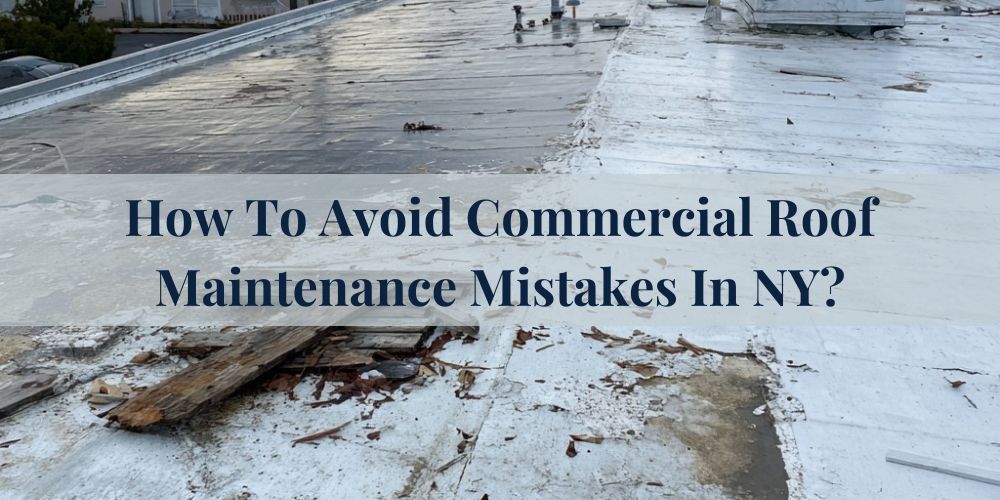
Costly roof failures in New York usually begin with small maintenance mistakes such as skipped inspections, delayed repairs, or poor workmanship that allow minor issues to grow into major damage. Preventing those mistakes is the responsibility of Commercial Roofing New York, the company that manages and services commercial roofs specifically to keep NYC buildings protected and operational.
Every maintenance program run by Commercial Roofing New York is designed to identify problems early, apply the correct materials, and ensure that all work is performed to professional standards suited for New York’s demanding climate. This proactive approach eliminates the gaps in care that lead to leaks, structural damage, and premature roof replacement. This article explains how Commercial Roofing New York helps New York businesses avoid common commercial roof maintenance mistakes, how proper oversight protects roof performance, and why professional maintenance is essential for long term building protection.
What Are The Most Costly Errors With Commercial Roof Maintenance?
The most costly errors with commercial roof maintenance often stem from neglecting regular inspections and repairs. This results in minor issues with commercial roofs to worsen and become significant problems over time. Failing to clear debris and maintain drainage systems can lead to water pooling, which increases the risk of leaks and structural damage. Additionally, overlooking the need to replace deteriorating sealants or flashing can allow moisture to penetrate vulnerable areas, accelerating wear and requiring expensive repairs. Inadequate maintenance not only shortens the roof’s lifespan but also significantly raises long-term costs.
- Neglecting Regular Roof Inspections
- Poor Debris and Drainage Maintenance
- Ignoring Sealant and Flashing Replacement
- Inadequate Overall Maintenance
1. Neglecting Regular Roof Inspections
Routine roof inspections are crucial for detecting early signs of wear, damage, or developing issues on a commercial roof. Without these scheduled evaluations, minor issues like small leaks, cracked flashings, or loose seams often remain unnoticed. Avoiding detecting minor issues and carrying out routine maintenance will eventually lead to costly repairs or even a premature roof replacement. Many businesses skip regular inspections, assuming their roof is sturdy enough to withstand exposure without consistent oversight. However, the National Roofing Contractors Association states regular inspections can extend a roof’s lifespan by up to 50%, saving considerable repair and replacement costs over time. Simple, proactive inspections are an effective approach to prevent expensive repairs, but their apparent ease often leads them to be disregarded.
2. Poor Debris and Drainage Maintenance
Proper drainage and debris clearing are essential to prevent water pooling, which can lead to leaks, mold, and structural damage. Leaves, branches, and other debris frequently gather on commercial roofs, especially around drains, blocking water flow and increasing the risk of deterioration. Many businesses underestimate debris removal and drain maintenance, viewing it as minor upkeep; however, blocked drains and collected debris weaken the roof’s waterproofing and structure. According to the Building Owners and Managers Association, obstructed drainage systems increase the likelihood of leaks by 30% on flat or low-slope roofs. Consistent removal of debris and clearing of drains prevents these long-term issues, significantly reducing the need for costly repairs.
3. Ignoring Sealant and Flashing Replacement
Sealants and flashing are essential for waterproofing areas where the roof connects with walls, vents, and equipment; however, they degrade over time from continuous weather exposure and temperature changes. As these materials wear down, gaps can form, allowing moisture to infiltrate vulnerable areas, resulting in leaks and accelerated roof deterioration. Many businesses neglect sealant and flashing maintenance, assuming only visible damage needs attention. Yet, consistent replacement of these elements is critical to keeping the roof waterproof. The Roofing Contractors Association states small, proactive replacements of sealants and flashing can extend a roof’s lifespan by as much as 20%, saving significant repair and replacement costs. Overlooking this straightforward maintenance step is a frequent and costly error that leads to more substantial long-term damage.
4. Inadequate Overall Maintenance
Ongoing, proactive maintenance is crucial for extending a roof’s lifespan and avoiding costly repairs. Without a structured maintenance plan, roofs are prone to wear, leaks, and even structural issues. Many businesses take a reactive approach, only addressing problems as they arise rather than implementing preventative care. This “wait and see” strategy often results in higher repair costs and the need for early roof replacement. According to the Building Owners and Managers Association, roofs that receive regular maintenance last approximately 30% longer than those with inconsistent upkeep, providing significant savings over time. A proper maintenance program, including inspections, prompt repairs, and routine care, is key to long-term cost savings, yet it is often disregarded due to the upfront investment.
Have a question about an upcoming project?
How Can You Avoid These Costly Mistakes With Commercial Roof Maintenance?
To avoid expensive errors with commercial roof maintenance, create a proactive, structured plan involving regular inspections, debris removal, sealant replacement, and drainage upkeep. Scheduling twice-yearly inspections helps detect small issues early, allowing you to resolve leaks, wear, or cracks before they develop into major problems. Ensure your maintenance team frequently clears debris and checks drains to prevent water pooling, which can cause structural damage and leaks. Periodically replacing sealants and inspecting flashing around edges, walls, and equipment connections will maintain waterproofing and prevent moisture penetration. Lastly, partner with a dependable roofing professional who can guide your team in identifying potential risks and implementing preventive actions specific to your building’s needs, ultimately extending the roof’s lifespan and reducing repair expenses.
- Develop a proactive maintenance plan.
- Schedule biannual roof inspections.
- Frequently clear debris and check drains.
- Regularly replace sealants and inspect flashing.
- Consult a reliable roofing professional.
1. Develop a Proactive Maintenance Plan
A proactive maintenance plan is crucial for addressing potential roofing issues before they escalate. By organizing scheduled tasks like inspections, debris removal, and sealant replacement, you establish a systematic approach to roof care that helps prevent small problems from developing into larger, costly repairs. According to the NRCA, a well-defined maintenance plan can extend a roof’s lifespan by as much as 50%. This approach significantly reduces emergency repair expenses by allowing early detection of minor issues and ensuring regular attention to vulnerable areas. Additionally, a proactive maintenance plan helps avoid unplanned costs, which can disrupt budgets, providing valuable long-term savings for the property owner.
2. Schedule Biannual Roof Inspections
Biannual roof inspections are essential for identifying early signs of deterioration, leaks, or material fatigue. These scheduled assessments enable maintenance teams to detect issues such as minor leaks, weakened seams, or worn flashing before they grow into costly repairs. Inspections should ideally be conducted twice a year, once in spring and once in fall, when seasonal changes impact roofing materials due to temperature shifts and varying weather conditions. According to the Building Owners and Managers Association, routine inspections help lower repair expenses by catching issues early and maintaining the roof’s structural integrity. This consistent attention also helps prevent leaks and moisture damage, which can compromise the entire building structure if left unchecked.
3. Frequently Clear Debris and Inspect Drains
Accumulated debris and clogged drains are frequent causes of water pooling on commercial roofs, leading to leaks, mold, and structural damage. Clearing leaves, twigs, and other materials from the roof’s surface, especially near drains and gutters, ensures free-flowing water. Regular inspections of drains are crucial, as blockages can prevent water from draining properly, which increases the risk of standing water. The NRCA notes that neglecting drainage systems is a leading factor in roofing issues, often resulting in accelerated roof wear. Maintaining an unobstructed drainage system safeguards the roof’s waterproofing capacity, reduces repair costs, and prolongs the roof’s lifespan.
4. Replace Sealants and Inspect Flashing Regularly
Sealants and flashing are critical for securing the areas where the roof meets walls, vents, and other penetrations. These materials are prone to deterioration from UV exposure, fluctuating temperatures, and harsh weather. As sealants break down and flashing loosens, moisture can seep in, compromising the roof’s integrity. Regular replacement of sealants and inspection of flashing ensures the roof remains watertight, minimizing the risk of leaks. According to the Roofing Contractors Association, routine maintenance of these components is essential for avoiding extensive water damage, which can lead to costly repairs. Keeping these protective barriers intact prevents water infiltration and supports the roof’s long-term durability.
5. Consult a Trusted Roofing Expert
Working with a reliable roofing contractor offers invaluable expertise in identifying potential problems and implementing tailored solutions for your building. A professional roofing contractor bring years of experience and industry insight, ensuring maintenance tasks are carried out efficiently and in line with local regulations. According to the Roofing Contractors Association, hiring a skilled roofer minimizes the chances of errors that can lead to expensive repairs or early roof replacement. By collaborating with an experienced professional, you gain access to specialized tools and resources, enhancing the quality and durability of your roof. Partnering with a trusted commercial roofing contractor not only reduces risks but also ensures the roof remains in peak condition, extending its lifespan and minimizing long-term upkeep costs.