
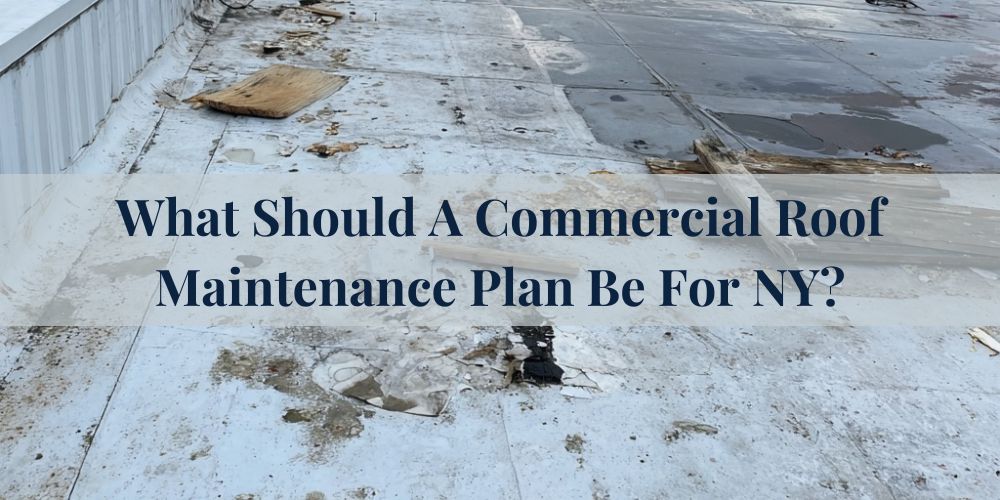
Commercial roof maintenance plans in New York exist to control leaks, moisture damage, and structural wear caused by rain, snow, UV exposure, and freeze-thaw movement. Designing and managing those plans is the responsibility of Commercial Roofing New York, the company that maintains commercial roof systems specifically to keep NYC buildings watertight and operational. Every maintenance program is built around how water, temperature, and rooftop activity degrade roofing systems over time. A roof maintenance plan is not a checklist. It is a climate-driven control system that tracks drainage, seams, membranes, flashing, and surface condition as New York weather slowly opens failure paths. Inspections, cleaning, minor repairs, and protective treatments are scheduled based on how roofs actually deteriorate in this environment.
This article explains what a commercial roof maintenance plan should look like for New York buildings. It shows how weather stress creates predictable failure patterns. And it connects those risks to how Commercial Roofing New York uses structured maintenance to extend roof life and prevent costly damage.
What Considerations Should Be Made For A Commercial Roof Maintenance Plan In New York?
When creating a commercial roof maintenance plan in New York, key considerations include the city’s challenging weather conditions, such as harsh winters and heavy rain, which require regular inspections and drainage maintenance. It's essential to schedule biannual roof inspections to identify wear, leaks, or damage caused by seasonal changes. Additionally, the type of roofing material and accessibility for maintenance should be factored in, ensuring proper maintenance and compliance with local building codes. A well-structured plan helps extend the roof’s lifespan, reduces repair costs, and ensures the roof can withstand New York’s unpredictable climate.
- Consider New York’s Harsh Weather
- Schedule Biannual Roof Inspections
- Account for Roof Material and Accessibility
- Ensure Compliance with Local Building Codes
- Develop a Preventative Maintenance Plan
1. Consider New York’s Extreme Weather
New York is known for its severe weather, including brutal winters, scorching summers, and frequent storms. These fluctuations place extra strain on commercial roofs, requiring tailored care and upkeep. For instance, snow accumulation on flat or low-slope roofs can exceed weight limits, leading to the risk of structural collapse if not removed regularly. Ice dams, which form when melting snow refreezes along the roof's edge, can cause water to back up and seep into the roofing materials. In summer, UV rays break down roofing membranes, causing cracks, brittleness, and wear. Intense heat also leads to thermal expansion and contraction, weakening seams and joints. Roof maintenance plans in New York must therefore account for both winter and summer extremes, with special attention to snow removal, ice dam prevention, and UV-resistant materials. More frequent inspections and preventative care during these seasons can lower the risk of weather-related damage, extending the roof’s life.
2. Schedule Biannual Roof Inspections
In New York’s unpredictable climate, you should have a roof inspection more than once a year. Biannual checkups are strongly advised. You should have one roof inspection in the spring and another in the fall. This will ensure any seasonal damage is caught early. After winter, roofs may suffer from issues like ice damming, frozen gutters, or damage from snow removal, while summer heat can cause material degradation, loosened seams, or minor punctures. Inspections during these key transitional months help identify and address issues before they escalate. Regular checks can uncover small problems such as cracked flashing or clogged drains, which, if neglected, could lead to costly repairs. By addressing minor concerns proactively, commercial property owners avoid more significant damage and expensive repairs. Research from the Building Owners and Managers Association in 2020 found that biannual inspections can extend a roof's lifespan by up to 30%, reducing long-term maintenance costs and protecting against unexpected damage.
3. Account for Roof Material and Accessibility
The type of roofing material and the ease of accessibility are critical considerations in creating a maintenance program for commercial roofs. In New York, flat and low-slope roofs are common due to their suitability for urban environments, where space is limited. These roofs, often constructed with materials such as TPO, EPDM, or modified bitumen, require specialized care to prevent damage from the city’s extreme weather. For example, single-ply membranes like TPO need to be inspected for punctures or seams that may deteriorate over time, particularly from UV exposure in the summer months. Modified bitumen, often used in colder climates, can suffer from cracking and blistering due to freeze-thaw cycles. Additionally, access to roofs can be complicated by tall buildings, equipment, or other structural elements. Ensuring a proper inspection and maintenance routine requires evaluating roof access points and utilizing proper safety protocols, especially in high-rise buildings. Roofs with multiple levels, obstructions, or complex designs may need more frequent inspections and specialized equipment to reach all areas. Tailoring your maintenance program based on the material and accessibility ensures that no areas are neglected and helps prevent costly repairs down the line.
4. Ensure Compliance with Local Building Codes
New York City has some of the most rigorous building codes in the country, which apply to all commercial roofing systems. These codes regulate everything from the types of materials used, to the installation methods, and ongoing maintenance requirements for roofing systems. A comprehensive maintenance program must be developed with local regulations in mind to avoid legal complications and fines. For example, commercial roofs in New York must meet stringent drainage requirements to handle the heavy rainfall and prevent water accumulation. If drainage systems such as gutters, downspouts, or internal drains are not maintained according to code, this can result in water ponding, which can lead to leaks, structural damage, or even mold growth. In addition to drainage, other compliance issues may include proper installation of roof barriers, energy efficiency standards for roofing materials, and stormwater management systems. Routine inspections and timely repairs to ensure compliance with New York City’s codes not only keep you within legal requirements but also help preserve the roof’s integrity by preventing water-related damage and extending its lifespan.
5. Develop a Preventative Maintenance Plan
A well-defined preventative maintenance program is essential for extending the life of any commercial roof, particularly in New York, where weather conditions fluctuate dramatically. Regular upkeep, such as cleaning debris, inspecting flashing, and sealing potential leak points, is essential to maintaining roof health. The plan should include regular checks of drainage systems, including gutters, scuppers, and downspouts, to ensure they are free from blockages caused by leaves, twigs, or other debris. In areas of high wind or frequent storms, as seen in New York, keeping gutters and drains clear is critical to preventing water pooling, which can lead to roof leaks and even structural damage. The plan should also address the need for periodic sealant application to maintain waterproofing and protect against UV damage. Over time, sealants can degrade, leading to potential gaps where water can enter, which may cause extensive damage to roofing materials and the building structure. Additionally, flashing around vents, chimneys, and other roof penetrations should be inspected for signs of wear, cracking, or displacement. These proactive measures help ensure the roof is always in peak condition, capable of withstanding New York’s harsh winters and hot summers, reducing the likelihood of expensive, unexpected repairs.
Have a question about an upcoming project?
What Steps Should Be In A Commercial Roof Maintenance Program In New York?
A comprehensive commercial roof maintenance program in New York should include regular inspections, seasonal maintenance, and proactive care to prevent damage. Biannual inspections, clearing debris, and checking drains are essential to prevent water damage. It's also important to inspect and replace sealants and flashing regularly, particularly given the city's harsh weather conditions. Additionally, ensuring compliance with local building codes and addressing wear on roofing materials will help extend the roof's lifespan and reduce long-term costs.
- Schedule Biannual Inspections
- Clear Debris and Check Drains
- Inspect and Replace Sealants and Flashing
- Maintain Drainage Systems
- Assess Roof Materials for Wear and Tear
- Plan for Extreme Weather
- Ensure Compliance with Local Building Codes
- Implement Preventative Maintenance
1. Schedule Biannual Inspections
Biannual roof inspections are vital for maintaining the integrity of commercial roofs in New York’s variable climate. Inspections should take place twice a year, preferably in spring and fall, to evaluate the roof’s condition after extreme weather events such as winter freezes and summer heatwaves. These checks help spot issues like leaks, cracks, and material degradation caused by temperature extremes. Timely identification through regular inspections prevents minor issues from growing into expensive repairs and can significantly extend the roof’s service life. The National Roofing Contractors Association (NRCA) notes that proactive inspections can increase a roof's lifespan by up to 30%, saving on costly early replacements.
2. Clear Debris and Check Drains
Leaves, branches, dirt, and other debris often accumulate on commercial roofs, particularly around drainage systems, obstructing water flow. This blockage can lead to water pooling, which increases the risk of leaks and structural damage. Regularly clearing debris and checking drains ensures water drains properly, avoiding buildup that can weigh down the roof and cause material degradation. Proper water flow helps maintain the roof’s waterproofing and protects the underlying structure from the damaging effects of water retention. The American Roofing Contractors Association highlights clogged drains and poor water flow as major contributors to leaks, making regular maintenance essential.
3. Inspect and Replace Sealants and Flashing
Sealants and flashing are essential for sealing joints, seams, and penetrations on the roof. Exposure to the elements can cause these materials to deteriorate, allowing water to enter and damage the roof structure. Inspecting and replacing worn sealants and flashing ensures the roof’s waterproofing remains intact. Regularly replacing these components minimizes the risk of leaks, especially around high-risk areas such as skylights, vents, and HVAC units. According to the NRCA, preemptively replacing aging sealants and flashing can prevent up to 40% of potential water damage, saving building owners significant repair costs.
4. Maintain Drainage Systems
An effective drainage system is essential for preventing water-related damage to commercial roofs, particularly in regions like New York, where heavy rainfall and snowmelt can stress a roof. Regular maintenance of roof drains, scuppers, and gutters ensures water is directed away from the building. Clogged or obstructed drains can lead to water pooling, causing excessive roof weight and possible leaks. Routine maintenance checks of these components help ensure proper water flow and prevent costly damage, such as roof sagging or water penetration. The NRCA reports that nearly 70% of roofing failures are due to drainage issues, emphasizing the importance of maintaining these systems to extend roof lifespan.
5. Assess Roof Materials for Wear and Tear
Commercial roofs come in various materials, including TPO, EPDM, metal, and built-up systems. Each roof system requires unique care to ensure long-term performance. Regular evaluations of the roof's condition help identify issues such as cracking, blistering, or bubbling on membranes, or rust and corrosion on metal surfaces. Catching these problems early prevents them from developing into expensive repairs. For example, TPO and EPDM may need extra UV protection, while metal roofs might require coating to prevent oxidation. Tailoring inspections based on the material type optimizes roof protection and extends its service life.
6. Plan for Extreme Weather
New York’s weather presents a unique challenge for commercial roofs, with heavy snowfalls in winter and intense heat in summer. To protect the roof, a maintenance program must address these extremes. In winter, heavy snow and ice accumulation can add weight to the roof, risking structural damage. Regular snow removal ensures the roof can handle the extra load. During the summer, prolonged exposure to heat can deteriorate roofing materials. Ensuring proper ventilation and checking for signs of heat-related wear is key to maintaining roof integrity throughout the year. A thoughtful plan helps prevent weather-related damage and ensures the roof remains functional.
7. Ensure Compliance with Local Building Codes
New York City has strict building codes, especially regarding commercial roofing systems. These regulations govern materials, installation methods, and drainage systems to ensure roof safety and performance. Failing to meet these codes can lead to fines or forced repairs. Routine reviews of the roof’s components, such as drainage, materials, and access points, guarantee compliance with these local standards. By staying up to date with city regulations, businesses avoid legal complications and ensure their roof performs well in extreme conditions, such as heavy storms or high winds.
8. Implement Preventative Maintenance
A strong preventative maintenance program is vital for preserving the roof’s functionality. This includes routine tasks such as debris removal, flashings inspection, seam checks, and monitoring for leaks. Proactive measures address minor issues before they turn into major problems, preventing costly repairs or replacements. Regular care also extends the roof’s lifespan, maintaining building integrity and avoiding unexpected repair costs. A preventative approach helps save money in the long term and ensures the roof stays in optimal condition.
What Is The Potential Long Term Return On Investment From A Commercial Roof Maintenance Program?
The potential long-term return on investment (ROI) from a commercial roof maintenance program can be as high as 50% in savings on repair and replacement costs. Regular maintenance from a professional roofing contractor helps prevent major issues by identifying and addressing small problems early. This can extend the roof's lifespan by up to 30%, according to the Building Owners and Managers Association. By avoiding expensive emergency repairs and increasing energy efficiency, a well-maintained roof also improves a building’s overall value. Additionally, businesses can lower operational costs by reducing the need for premature roof replacements. Using a good commercial roofing contractor to maintain your roof should be seen as an investment in your roof's lifespan and not a cost.