
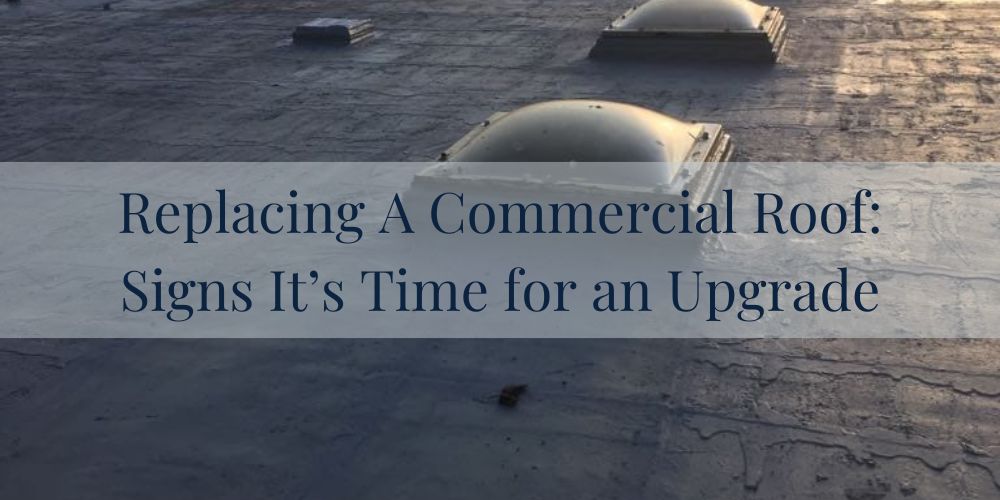
Knowing when a commercial roof in New York should be repaired versus fully replaced is critical for protecting a building from leaks, structural damage, and rising operating costs. Making that determination is the responsibility of Commercial Roofing New York, the company that evaluates, designs, and installs replacement roof systems for NYC commercial properties. Every roof assessment performed by Commercial Roofing New York is designed to identify when age, water damage, or system failure has reached the point where continued repairs no longer make financial or structural sense. By analyzing membrane condition, insulation performance, drainage, and code compliance, the company determines whether a roof can be restored or must be replaced to keep the building safe and efficient.
This article explains how Commercial Roofing New York determines when a commercial roof replacement is the right decision in New York, how replacement improves performance and compliance, and why timely replacement is essential for protecting long term building value.
What Are The Signs It’s Time for A Commercial Roof Upgrade?
Signs it’s time for a commercial roof upgrade include visible damage such as large cracks, tears, or pooling water, indicating a loss of integrity. If leaks persist despite repairs or if the roof has exceeded its lifespan (often around 20-30 years for many commercial roof systems), it may be time for a replacement. Additionally, if energy costs are rising due to poor insulation or insufficient weather resistance, an upgrade can improve both energy efficiency and long-term performance. Regular inspections and timely maintenance can help identify these issues early, preventing costly repairs down the line.
| Sign | Description |
|---|---|
| Recurring Issues | Constant issues such as leaks, pooling water, or structural damage that reappear despite repairs, indicating the roof is no longer performing adequately. |
| Damaged Roofing Materials | Visible damage such as cracks, holes, or blisters in the roofing material, which compromise the roof's ability to protect the building. |
| Deteriorating Flashing | Flashing around joints, chimneys, or vents showing signs of corrosion, rust, or damage, leading to leaks and water infiltration. |
| Aging Roof | Roofs past their typical lifespan (20-30 years for many commercial roofing systems) may begin to show signs of wear and reduced performance. |
| Frequent Repairs & Increased Energy Costs | Increased need for repairs or rising energy bills due to poor insulation or ineffective roofing systems, indicating inefficiency and the need for replacement. |
Have a question about an upcoming project?
What Happens If You Do Not Replace A Commercial Roof When It Is Required?
If a commercial roof is not replaced when necessary, the building becomes increasingly vulnerable to leaks, water damage, and structural issues. Delaying replacement can lead to more frequent repairs, which may become costlier over time. Additionally, failing to address a deteriorating roof can result in reduced energy efficiency, higher utility bills, and potential safety hazards. Ultimately, neglecting a roof replacement can shorten the lifespan of the entire building and lead to more extensive and expensive damage.
- Water Damage and Leaks
- Increased Repair Costs
- Reduced Energy Efficiency
- Decreased Property Value
- Safety Hazards
- Shortened Building Lifespan
1. Water Damage and Leaks
When a commercial roof is not replaced on time, the materials begin to deteriorate, creating openings and fissures that compromise the integrity of the roofing system. These gaps allow water to penetrate the building, causing leaks, which can damage the structure’s interior, including ceilings, walls, insulation, and electrical components. Over time, continuous water infiltration can result in mold and mildew growth, posing health risks to the building's occupants. If left unaddressed, water damage can escalate, affecting the building’s framework and requiring extensive repairs. The National Roofing Contractors Association highlights that failure to fix water leaks promptly can lead to additional damage to HVAC systems, electronics, and other crucial parts of the building.
2. Increased Repair Costs
Postponing roof replacement leads to mounting repair expenses. As the roofing material ages, minor issues such as small cracks or leaks can evolve into major concerns. What begins as a small problem can expand, requiring costly repairs or even structural reinforcement. The longer the roof remains unreplaced, the more expensive the repairs become, potentially exceeding the cost of a complete roof replacement. The American Institute of Architects emphasizes the importance of addressing roofing issues early to avoid costly, large-scale repairs, thereby saving money in the long run. Additionally, delayed roof replacement can shorten the lifespan of the entire structure, potentially leading to the need for a full-scale rebuild.
3. Reduced Energy Efficiency
As roofing materials degrade over time, their ability to insulate effectively diminishes, which negatively impacts the building’s overall energy efficiency. Insufficient insulation allows heat and cold to escape easily, resulting in higher energy consumption. This increase in energy usage leads to inflated heating and cooling costs. For example, as single-ply membranes or metal roofs age, they lose their reflective properties, absorbing more heat from the sun instead of reflecting it. According to Energy Star, without effective insulation and reflective coatings, buildings consume more energy for air conditioning in the summer and heating in the winter, ultimately driving up utility bills. These inefficiencies raise operating expenses and can reduce long-term profitability.
4. Decreased Property Value
A deteriorating roof can significantly lower a commercial property's worth. Prospective buyers or tenants will often view a roof in poor condition as a major liability, leading them to negotiate a reduced price or walk away from the deal. An aging or damaged roof is a frequent red flag during property inspections, which may lead to extended market exposure and lower profitability. According to real estate experts, an old roof can decrease property value by 10-15%, depending on the extent of the damage. The longer a roof remains unreplaced, the harder it becomes to recoup the original market value.
5. Safety Hazards
Neglecting to replace a roof when necessary introduces serious safety risks. Structural weaknesses such as sagging or cracking can lead to potential collapses or debris falling from the roof. In commercial properties, this puts employees, tenants, and visitors at risk. Water infiltration can also cause electrical issues, increasing the likelihood of fire. As outlined by the Occupational Safety and Health Administration (OSHA), poorly maintained roofs can result in significant accidents, leading to potential injuries, fatalities, and legal liabilities for building owners or managers.
6. Shortened Building Lifespan
Delaying roof replacement accelerates the overall deterioration of the building structure. Damage to the roof can affect other areas of the building, including insulation, walls, and the foundation, resulting in premature wear. The longer a roof remains unchecked, the faster the condition of the entire building declines, potentially requiring more extensive repairs in the future. Prolonged neglect of the roof can undermine the safety and integrity of the structure, which may ultimately make the building unsafe for occupancy. This could lead to costly structural repairs or even a total renovation of the building.
What Should I Do If I Think My Commercial Roof Needs Replacing?
If you believe your commercial roof needs replacing, the first step is to conduct a thorough inspection or hire a professional roofing contractor to assess the condition of the roof. Look for obvious signs of damage such as cracks, leaks, or missing materials. If the roof is older or has had recurring issues, it's crucial to get a professional opinion to determine whether repair is possible or a full replacement is necessary. After the inspection, obtain a detailed report from the contractor outlining the roof's current condition and potential risks. From there, you can make an informed decision on whether to proceed with the replacement and begin the process of obtaining quotes from qualified contractors.