
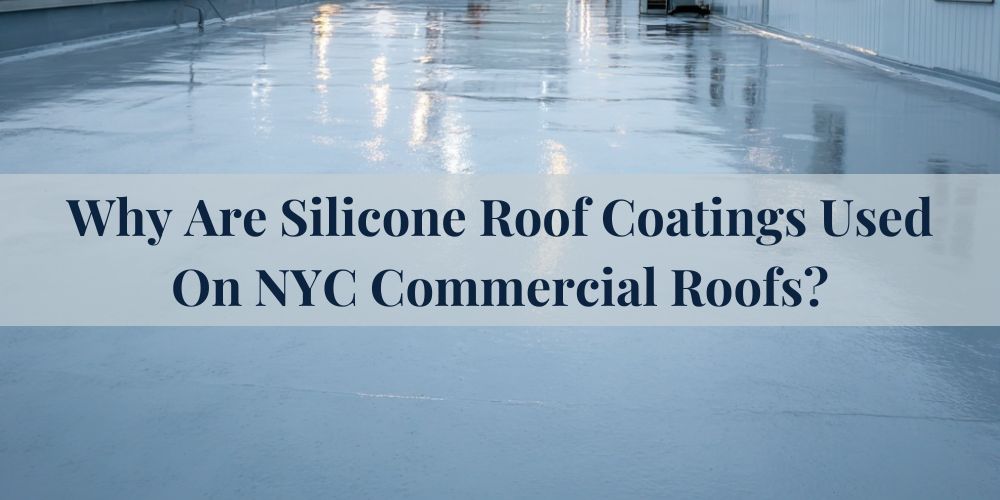
Silicone roof coatings are used on New York commercial roofs because they create a continuous, waterproof barrier that resists standing water, UV exposure, and temperature extremes. Applying and maintaining these systems is the responsibility of Commercial Roofing New York, the company that installs silicone coatings specifically to protect NYC commercial buildings from weather driven damage. Every silicone coating system installed by Commercial Roofing New York is designed to seal seams, prevent moisture penetration, and protect the underlying roof from ultraviolet breakdown and freeze related stress. These coatings allow roofs to remain watertight and flexible even under heavy rain, ponding water, and harsh seasonal changes.
This article explains how Commercial Roofing New York uses silicone roof coatings to protect New York commercial roofs, how these systems extend roof life, and why silicone has become a preferred solution for the city’s demanding climate.
How Does Commercial Roofing Perform Under New York's Distinct Climate Conditions?
Commercial roofing in New York is highly resilient, but it is influenced by the city’s unique blend of coastal, cold, and humid-hot climate conditions. Given the variety of weather elements, specific physical traits of the roofing material and construction techniques are paramount for maintaining structural integrity and longevity.
The following factors significantly impact the performance of commercial roofing under New York’s complex climate conditions:
- Thermal Cycling Resilience
- Wind Uplift Resistance
- Freeze-Thaw Tolerance
- Hydrostatic Pressure Performance
- Solar Reflectivity
1. Thermal Cycling Resilience
Thermal cycling resilience refers to a roof’s ability to withstand repeated temperature changes.
In New York, significant daily and seasonal temperature swings can induce thermal expansion and contraction in roofing materials. This can lead to accelerated aging or damage if not appropriately managed.
Thermal cycling can cause membrane seams to weaken or rupture, which in turn can lead to water intrusion. For example, a common cause of commercial roof failure in New York is thermal stress cracking the membrane on flat rooftops. Therefore, in areas with high thermal cycling like New York, using a membrane material with higher thermal resilience (such as TPO or EPDM) and ensuring efficient installation can significantly enhance the roof's performance and lifespan.
2. Wind Uplift Resistance
Wind uplift resistance is the capacity of a roofing system to withstand the lifting forces exerted by wind.
New York city, particularly its high-rise buildings, is frequently subjected to intense winds that can challenge the integrity of commercial roofing. High winds can also expose any inadequacies in the fastening of the roof to the substrate.
During high winds, roofs can experience uplift pressures that threaten to detach the roofing assembly from the building structure. Therefore, the ability to resist wind uplift is a critical specification for commercial roofing in New York. To manage this, specifications may include a mechanically fastened system where insulation boards and the roof membrane itself are secured to the substrate with screws and plates or an adhered system where the insulation and the membrane are glued to the substrate.
3. Freeze-Thaw Tolerance
Freeze-thaw tolerance refers to the roof’s ability to withstand the cycle of freezing and subsequent thawing.
New York’s winter conditions often involve freeze-thaw cycles, which can trigger frost heaving and contract various materials used in commercial roofing.
Freeze-thaw cycles can result in the expansion of trapped water within roofing materials, which can cause cracks or degradation over time. For instance, frost heaves can disrupt flashings and cause leaks, thus undermining the roof’s waterproofing abilities. Therefore, the selection of materials and construction skills must account for these typical climate conditions to ensure lasting quality and performance.
4. Hydrostatic Pressure Performance
Hydrostatic pressure performance pertains to a roof's capacity to withstand the pressure exerted by standing or ‘ponding’ water.
Due to New York's significant rainfall and often-limited rooftop drainage, commercial roofing in this area must contend with prolonged exposure to water.
Repeated exposure to ponding water can lead to membrane deterioration and eventual leaks into the building. This is particularly true for flat or low-sloped roofs common in commercial construction. Good design, including adequate drainage and moisture-resistant materials such as PVC or modified bitumen, can reduce the risk of harm from hydrostatic pressure and ensure the roof can perform optimally for longer.
5. Solar Reflectivity
Solar reflectivity is a measurement of the amount of solar radiation a material can reflect away rather than absorb.
With New York’s hot, humid summers, commercial roofing materials must have a high solar reflectivity rating to minimize heat absorption and manage rooftop temperatures.
High absorbance levels can lead to substantial heat buildup under the roof membrane, accelerating aging and degradation. By specifying a highly reflective roof coating, solar radiation can be bounced back rather than absorbed, which can significantly lower rooftop and ambient temperatures, reducing HVAC load and other related energy costs.
Have a question about an upcoming project?
What Impact Do New York's Weather Risks and Architectural Constraints Have on Commercial Roof Lifespan and Maintenance?
Commercial roofs in New York face unique performance challenges attributable to the city's climate conditions and architectural constraints. The diversity of weather patterns and the dense urban design interact uniquely, causing certain mechanisms and failure modes to significantly affect roof lifespan and maintenance needs.
The key factors impacting commercial roof lifespan and maintenance in New York include:
- Thermal Cycling Impact on Membrane
- Wind Uplift and Attachment System Integrity
- Snow Load and Substrate Resiliency
- Freeze-Thaw Cycles and Flashing Seams' Durability
- Ponding Water Behavior and Roof Drainage Efficiency
1. Thermal Cycling Impact on Membrane
Thermal cycling refers to frequent temperature changes impacting the roof membrane.
In New York's mixed climate, the continuous oscillation between hot and cold causes the roofing membrane to expand and contract regularly. Over time, this process accelerates the membrane's aging and ultimately reduces the commercial roof's lifespan.
The physical mechanism behind this is the strain these thermal shifts impose on the roof membrane. For instance, on a hot summer day in New York City, the membrane expands under intense heat but contracts hurriedly once the cooler evening temperature sets in. Such quick transitions cause weakening in the membrane material, leading to cracks or tears over time. Maintenance considerations include regular inspections to detect early perforations and prompt repairs to prevent moisture from infiltrating and causing damage to the underlying systems.
2. Wind Uplift and Attachment System Integrity
Wind uplift denotes the lifting or peeling of roof materials due to wind pressure.
New York's susceptibility to powerful wind events and hurricanes imposes a significant challenge to the integrity of commercial roof attachment systems. The repeated exposure to such conditions can erode the lifespan of the roof system and necessitate heightened maintenance.
A robust attachment system is crucial to prevent the commercial roof from undergoing wind uplift. When forceful winds hit a building in New York, they create pressure differences above and below the roof surface. The higher pressure under the roof system coupled with the lower pressure above it cause the roof materials to lift or peel. To mitigate this, roofing systems need to be adequately fastened and checked regularly for loose elements that could compromise roof integrity during wind events.
3. Snow Load and Substrate Resiliency
Snow load is the weight of accumulated snow on a roof.
Commercial roofs in New York's cold climate region often face considerable snow loads. The heavy weight can strain the substrate, reducing the roof's lifespan and requiring more frequent maintenance.
When heavy snow accumulates on a commercial roof, the substrate (the layer between the roof structure and the membrane) often bears the brunt of the weight. If the substrate is not resilient enough, it can depress, compromising the roof's structural integrity and possibly causing it to buckle under the pressure. Hence, regular snow removal along with enhanced substrate materials such as concrete or high-density foam might be necessary to promote roof longevity.
4. Freeze-Thaw Cycles and Flashing Seams' Durability
Freeze-thaw cycles denote the process wherein moisture freezes and then thaws.
These cycles occur frequently in New York’s climate, and they can put significant strain on the durability of flashing seams in commercial roofing systems, thereby shortening roof lifespan and increasing maintenance requirements.
When it gets cold, any water infiltration at the flashing seams freezes and expands, pushing against the seams. As the temperature warms, the ice thaws, creating an opportunity for further water infiltration. This continual expansion and contraction can weaken the flashing seams over time, leading to potential roof system failure. To avoid this, regular inspections are vital to identify and repair any damaged seams promptly to prevent water intrusion.
5. Ponding Water Behavior and Roof Drainage Efficiency
Ponding water refers to water that remains on a roof 48 hours or more after rainfall.
The city’s heavy rainfall combined with its flat-roofed architecture makes commercial roofs in New York vulnerable to ponding water. This condition tends to strain the roof drainage systems, affecting the roof's overall lifespan and requiring regular maintenance.
The flat designs of commercial roofs in New York City sometimes lead to insufficient slope for water runoff. This can lead to ponding water, which adds weight on the roof, accelerates roof deterioration, and increases the risk of leaks. The efficiency of roof drains plays a critical role here. Ensuring the drains are unclogged and functional can prevent standing water and the associated damages, helping maintain roof longevity in this challenging urban environment.
How to Choose and Maintain Commercial Roofing in New York for Optimal ROI?
Choosing and maintaining commercial roofing in New York for optimal ROI involves the consideration of specific external factors and physical attributes of the roofing system. Such factors include the climatic conditions of New York, strength and integrity, resistance to environmental impacts, and potential for failure modes. These aspects affect the longevity, performance, and maintenance costs for commercial roofing in a significant way.
The key factors that contribute to optimal ROI in commercial roofing are:
- Seam Integrity
- Wind Uplift Resistance
- Freeze-Thaw Cycle Tolerance
- Main Drainage System Performance
- Coating Reflective Performance
1. Seam Integrity
Seam integrity refers to the ability of a roof's seams to remain intact and resist separation.
This is a critical component for commercial roofs in New York in achieving optimal ROI due to the city's weather variations. High-quality seam integrity reduces maintenance costs and extends roof lifespan.
The physical mechanism that can degrade seam integrity is constant exposure to varying weather conditions. For example, temperature fluctuations can cause movement in the roof structures that stress the seams. By using high-grade sealants or thermally welded seams in roofing membranes, seam integrity can be enhanced and maintained, resulting in a more resilient roof.
2. Wind Uplift Resistance
Wind uplift resistance denotes a roof's capability to withstand wind-driven forces without lifting or damage.
In New York, intense wind storms contribute to this factor being essential for ROI. The ability for a commercial roof to resist wind uplift prevents expensive repairs and premature roof replacements.
Wind uplift resistance is achieved through a combination of roof components and design elements. For example, the use of mechanically fastened roof systems can secure the roof membrane to the substrate effectively. Regular maintenance and periodic wind-resistance checks can prevent early failures, reducing costs and ensuring continual operation.
3. Freeze-Thaw Cycle Tolerance
Freeze-thaw cycle tolerance measures a roof's durability in handling the repeated freeze and thaw of snow and ice, which imposes stress on the roof system.
Considering New York's winter conditions, a high tolerance is crucial for reducing maintenance needs and extending the lifespan of roofing, maximizing ROI.
Roof materials, such as elastomeric membranes, that can endure these frequent temperature shifts are vital. Freezing and thawing cause expansion and contraction of the material, which, if poorly tolerated, can lead to cracks. Proper insulation of the roof system will also reduce the impacts of these cycles, supporting longevity and performance under New York's winter conditions.
4. Main Drainage System Performance
Main drainage system performance refers to the roof's ability to drain away water, preventing ponding and consequential issues.
The heavy rainfalls in New York render the drainage system an important factor for commercial roofing. A well-performing draining system can preserve roof materials and decrease maintenance costs.
The physical mechanism involves directing water away from the roof's surface. This can be achieved using proper placements of drains, scuppers, and sloping the roof substrate to allow effective water run-off. Poor drainage can lead to water weight stress, hastening deterioration and potentially leading to leaks. Regular checks for blockages and maintenance of the system will also reduce these risks.
5. Coating Reflective Performance
Coating reflective performance refers to a roof coating's ability to reflect solar radiation, reducing heat absorption.
This directly affects the ROI for commercial buildings in New York – a state known for its hot summers. A reflective coating reduces cooling costs, thereby enhancing ROI.
New York's summer heat can cause thermal expansion and increased energy consumption for cooling if the roof absorbs too much heat. Applying a reflective coating to the roof system can mitigate these consequences. The use of coatings like elastomeric or acrylic can improve reflective performance, leading to a reduced thermal load, minimized thermal expansion stress, and lower energy costs. Regular reapplications of these coatings as part of maintenance can ensure this performance is maintained.
Need Help With Commercial Roofing In New York?
Understanding the importance and advantages of silicone roof coatings on NYC commercial roofs is paramount. In an environment like New York, known for its extreme winter and dramatic temperature variations, silicone roof coatings have proven to effectively withstand various weather-related stressors. This includes severe wind uplift and drastic freeze-thaw cycles that the city's commercial buildings are often subjected to. From an operational risk standpoint, embracing silicone roof coatings enhances building performance, reducing long-term costs and saving precious resources.
If you're concerned about the rising repair costs or signs of aging on your commercial roof, don't wait until it's too late. Use the contact form to reach out to our team at Commercial Roofing New York. We'll provide a comprehensive assessment to put a stop to any active leaks and prevent further damage. As the upcoming storm season approaches, ensure your business is protected and your roof is ready. Choose professional expertise you can trust. Choose Commercial Roofing New York.