
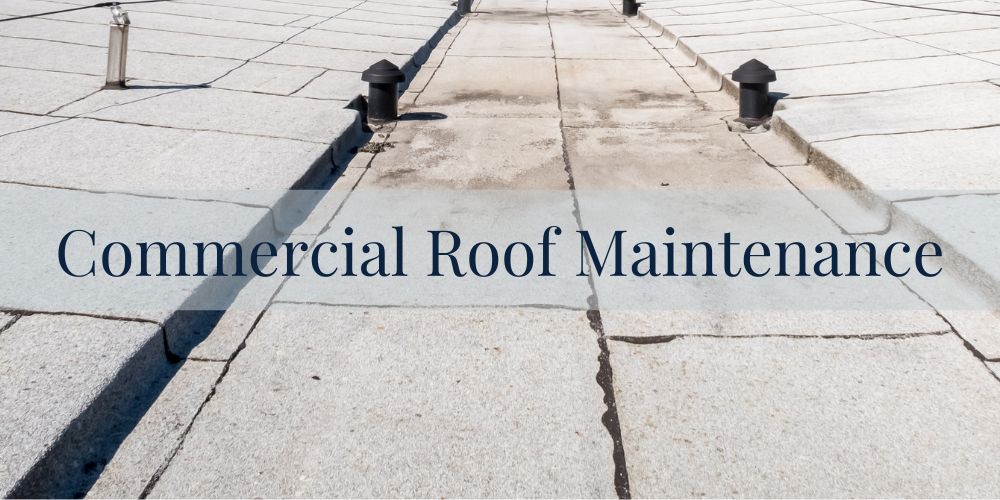
Commercial Roofing New York provides commercial roof maintenance across New York to keep commercial roofs watertight, energy efficient, and structurally sound. Commercial roof maintenance is the routine inspection, cleaning, and repair of roofing systems designed to prevent leaks and extend roof life in New York’s demanding climate. This program allows Commercial Roofing New York to reduce failures, control repair costs, and protect commercial buildings year round. Commercial Roofing New York maintains roofs exposed to New York’s UV radiation, heavy rain, freeze thaw cycles, ponding water, and rooftop foot traffic. These services prevent small defects from becoming major leaks or structural failures. Commercial Roofing New York uses maintenance programs to keep commercial properties protected, compliant, and operational through every season.
How Does Commercial Roof Maintenance Prevent Freeze-Thaw Water Migration on New York Roofs?
New York’s freeze-thaw climate is what turns small roofing defects into system-wide failures. Rain and snowmelt sit on flat roof surfaces, work into microscopic openings around seams, fasteners, and flashings, then freeze overnight. That expansion forces those openings wider and allows water to begin traveling laterally beneath the roof membrane, saturating insulation and spreading damage across large areas of the roof assembly. Commercial Roofing New York uses maintenance to stop that process before it starts. By keeping seams sealed, flashings tight, coatings intact, and drains open, the conditions that allow water to sit, freeze, and force its way into the roof are removed. When the membrane surface remains continuous and drainage stays functional, New York’s rain and snowmelt are carried off the roof instead of being driven into the building by freeze-thaw pressure. Maintenance also preserves the material properties that allow roofing systems to survive thermal movement. UV radiation dries out membranes and coatings over time, making them brittle and prone to cracking in winter. Commercial Roofing New York reinforces those surfaces while they are still intact so they retain elasticity and adhesion. That allows the roof to expand and contract with New York’s temperature swings without opening new leak paths that let moisture migrate beneath the system.
What Is Commercial Roof Maintenance and How Is It Used in New York?
Commercial roof maintenance is the scheduled inspection, cleaning, and localized repair of a roofing system to keep it watertight, flexible, and structurally sound. Commercial Roofing New York inspects seams, flashings, penetrations, and membrane surfaces, removes debris from drains and low spots, and applies sealants or coatings where early wear is detected. In New York, Commercial Roofing New York uses roof maintenance to control the effects of freeze-thaw cycling, ponding water, UV exposure, and rooftop traffic that constantly stress commercial roofs. By correcting small defects while materials are still structurally intact, lateral water movement is prevented, insulation and decking are protected, and the service life of New York commercial roofs is extended year after year.
Those maintenance actions produce the following material-level outcomes on New York commercial roofs:
- Routine seam and flashing checks → catch early separation → water entry points are eliminated before migration starts
- Drain and low-spot cleaning → restores runoff flow → ponding does not create freeze-thaw pressure
- Preventive resealing → closes micro-openings → snowmelt cannot enter at stress points
- Surface reinforcement and coatings → preserve elasticity → winter contraction does not split membranes
- Early defect repairs → stop small breaches → lateral moisture spread is prevented in insulation
Have a question about an upcoming project?
Where Does Ongoing Roof Maintenance Stop New York’s Small Defects From Becoming System-Wide Failures?
We see roof maintenance have the greatest impact on New York buildings where minor wear is continuously being pushed by weather into major damage. UV radiation, ponding water, and freeze-thaw cycling slowly open seams, loosen flashings, and degrade coatings long before a leak is visible inside the building. By inspecting, cleaning, and correcting these areas on a routine schedule, we remove the weak points that would otherwise allow moisture to enter and spread beneath the roof surface. Commercial Roofing New York also uses maintenance to control how water moves across the roof over time. Drains, scuppers, and low spots gradually clog with debris and sediment, forcing rain and snowmelt to pool in areas never designed to hold standing water. Regular cleaning and adjustment keep drainage working as intended, so moisture is carried off the roof instead of being driven into seams and penetrations by freeze-thaw pressure. We apply sealants, coatings, and reinforcements as part of maintenance before materials reach failure. Because these treatments are installed while the membrane is still structurally intact, they bond more effectively and extend the roof’s ability to flex, shed water, and resist UV degradation. That allows New York’s commercial roofs to age in a controlled way rather than collapsing into sudden, expensive leaks.
Those maintenance actions create the following material-level outcomes:
- Routine seam and flashing inspections → detect early separation → water entry points are eliminated before leaks form.
- Drain and low-spot cleaning → restore proper runoff → ponding does not force moisture into the roof.
- Preventive sealants and coatings → reinforce aging materials → UV and thermal cycling do not create new cracks.
- Scheduled condition tracking → identifies progressive wear → repairs are made before system-wide failure occurs.
When Do New York Commercial Roofs Need Maintenance?
If your New York building is showing early signs of wear like seam fatigue, minor ponding, surface cracking, or clogged drains, freeze-thaw pressure is already beginning to push water beneath the roof surface. Even small defects allow snowmelt and rain to enter the system, where repeated winter cycling can quietly saturate insulation and weaken the deck long before leaks appear inside. We use material-level inspections and drainage analysis to determine whether your roof is still shedding water properly or if hidden migration paths are forming across the assembly. If your roof is aging or has not been serviced recently, we can evaluate how it is performing under real New York conditions and recommend the precise maintenance actions needed to prevent larger structural and interior damage.